


The Mental Health Crisis in Trades: Why the Cleaning Industry Needs to Talk About Burnout, Respect, and Worker Wellbeing
- Dec 7, 2025
- 5 min read
Let's talk about something the cleaning industry doesn't want to discuss: the mental health crisis happening right under our noses. While everyone celebrates the "essential worker" status we earned during the pandemic, very few are addressing the psychological toll this work actually takes on real people.
Research shows that building and grounds cleaning workers experience some of the highest rates of psychological distress among all occupations. Even more troubling? The longer you stay in the field, the worse it gets, with a 5% increase in mental distress risk for every year on the job.
That's not just a statistic. That's your career slowly chipping away at your wellbeing, year after year.
The Harsh Reality Behind the Mop Bucket
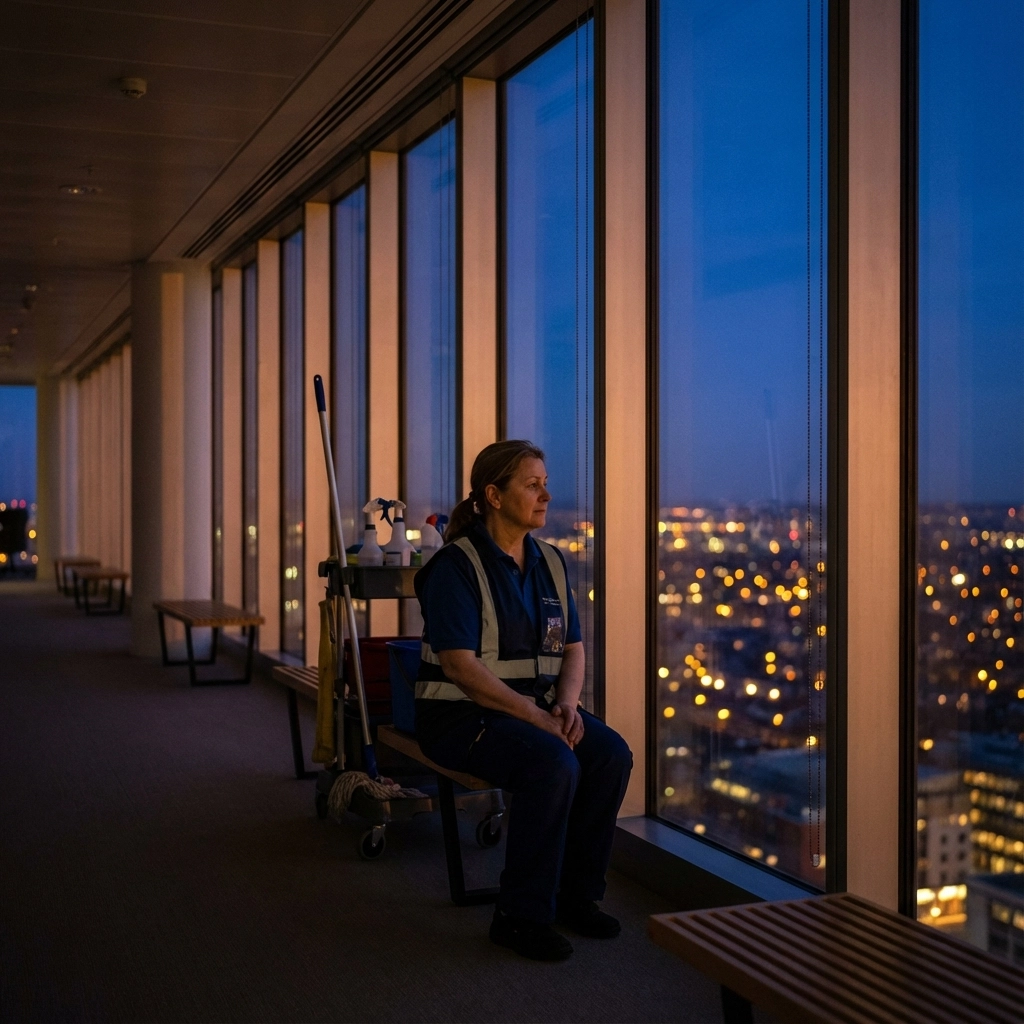
The data doesn't lie. Cleaning professionals rank alongside healthcare support and food service workers for extreme psychological distress. But unlike other high-stress jobs that get recognition and support systems, cleaning work often exists in the shadows, literally and figuratively.
Here's what's really happening in our industry:
Physical demands meet impossible expectations. You're expected to clean faster, with fewer supplies, in less time, while maintaining perfect standards. Your body aches, but the schedule doesn't care.
Social isolation is the norm. You work alone or in small teams, often during off-hours when buildings are empty. Human connection? That's a luxury most cleaning schedules don't allow.
Respect is nonexistent. Your work is only noticed when something goes wrong. You're invisible when you do your job well, but highly visible when you don't.
Control is an illusion. Someone else decides your schedule, your methods, your break times, and your workload. You're expected to be flexible with their needs while having zero flexibility for your own.
Why This Matters Beyond Statistics
This isn't just about individual suffering, though that matters enormously. This mental health crisis affects:
Quality of service: Burned-out workers can't deliver their best work
Industry reputation: High turnover and low morale reflect poorly on all of us
Personal relationships: Stress and exhaustion spill over into family life
Physical health: Mental distress manifests in physical symptoms and injuries
Career longevity: People leave the industry entirely, taking their skills with them
The cleaning industry is shooting itself in the foot by ignoring worker wellbeing. We're losing good people to preventable burnout.
The Unique Challenges in Cleaning Work
Other industries are starting to address mental health, but cleaning work has specific challenges that require targeted solutions:
Shift work and irregular hours disrupt sleep patterns and social connections. When you're working nights and weekends, maintaining relationships and self-care routines becomes nearly impossible.
Chemical exposure and physical strain add another layer of stress. Your body is constantly under assault while your mind worries about long-term health effects.
Client interaction stress comes from working in other people's spaces, dealing with unrealistic expectations, and navigating complex social dynamics while trying to do your job.
Lack of career advancement creates a sense of being stuck. When there's no clear path forward, motivation dies and hopelessness creeps in.
Economic instability from inconsistent hours, low wages, and lack of benefits creates constant financial stress that compounds everything else.
Warning Signs: When to Pay Attention
Recognizing burnout and mental health struggles early can make all the difference. Watch for these signs in yourself or team members:
Physical symptoms:
Constant fatigue that sleep doesn't fix
Frequent headaches or muscle tension
Getting sick more often
Changes in appetite or sleep patterns
Emotional symptoms:
Feeling cynical about work or clients
Irritability or anger over small things
Feeling hopeless about your situation
Loss of motivation or pride in your work
Behavioral changes:
Calling in sick more often
Isolating from coworkers or family
Increased use of alcohol or substances
Difficulty concentrating or making decisions
If these sound familiar, you're not alone, and you're not weak. You're responding normally to abnormal workplace stress.
Practical Self-Care for Cleaning Professionals

Self-care isn't bubble baths and face masks (though if that helps, go for it). For cleaning professionals, it's about practical strategies that fit your reality:
Set boundaries around communication. You don't need to answer client texts at 10 PM. Establish specific hours when you're available and stick to them.
Create micro-routines for mental health. Take five deep breaths before entering each new space. Listen to one favorite song during your break. Small rituals can reset your mindset.
Connect with other cleaning professionals. Whether it's online groups, local meetups, or just texting a colleague, talking to people who understand your work makes a huge difference.
Advocate for proper supplies and equipment. Using the right tools reduces physical strain and makes your job easier. Don't accept "make do" when your wellbeing is at stake.
Track your accomplishments. Keep a simple list of what you completed each day. Seeing your impact in writing combats the invisibility of your work.
Know your worth. You provide essential services that improve people's health, safety, and quality of life. That's not menial work, that's meaningful work.
How the Industry Must Change
Individual self-care isn't enough. The cleaning industry needs systemic changes to address this mental health crisis:
Fair scheduling practices that allow for adequate rest, consistent hours, and advance notice of changes.
Proper compensation that reflects the essential nature of the work and provides economic stability.
Recognition and feedback systems that acknowledge good work, not just problems.
Career development opportunities that show a path forward for motivated workers.
Health and safety protections that include mental health support, not just physical safety measures.
Respect and dignity in client relationships, with clear policies about acceptable treatment of workers.
Building Community and Support Networks

The most powerful antidote to isolation and burnout is community. That's why Beyond the Surface Solutions focuses on bringing cleaning professionals together through our programs and groups.
When you connect with others who understand your challenges, several things happen:
You realize you're not alone in your struggles
You learn practical strategies from experienced professionals
You build a network that can provide emotional and professional support
You start to see your work through a more positive lens
Our community isn't about pretending everything is perfect. It's about honest conversations, practical support, and building an industry that works for the people who do the work.
The Path Forward: A Rally Cry for Change
The mental health crisis in cleaning isn't inevitable. It's the result of industry practices that treat workers as disposable rather than valuable. But every problem has solutions, and every crisis contains the seeds of transformation.
To cleaning professionals: Your mental health matters. Your wellbeing is not negotiable. Seek support, set boundaries, and never accept that burnout is just part of the job.
To cleaning business owners: Investing in worker wellbeing isn't charity, it's smart business. Healthy, supported employees provide better service, stay longer, and represent your company better.
To clients: The people cleaning your spaces are human beings with the same needs for respect, dignity, and fair treatment as anyone else.
To the industry as a whole: We have an opportunity to lead by example. Let's build a cleaning industry that values people as much as profit, that sees workers as assets to develop rather than costs to minimize.
The conversation about mental health in cleaning starts now. Not next quarter, not next year, now. Because the people doing this essential work deserve better than a system that slowly grinds them down.
Your mental health matters. Your work matters. And together, we can build an industry that honors both.
If you're struggling with mental health issues, please reach out to a professional counselor or call a mental health hotline. The National Suicide Prevention Lifeline is available 24/7 at 988.
Comments